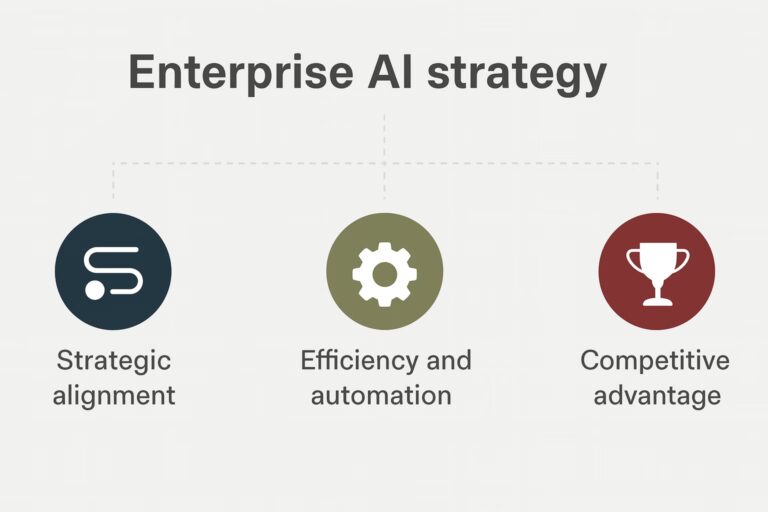
Long-Term Strategy for Enterprise AI
Most enterprise AI activity today is tactical. Organizations identify a promising use case, deploy a tool, measure near-term productivity gains,...

Most enterprise AI activity today is tactical. Organizations identify a promising use case, deploy a tool, measure near-term productivity gains,...
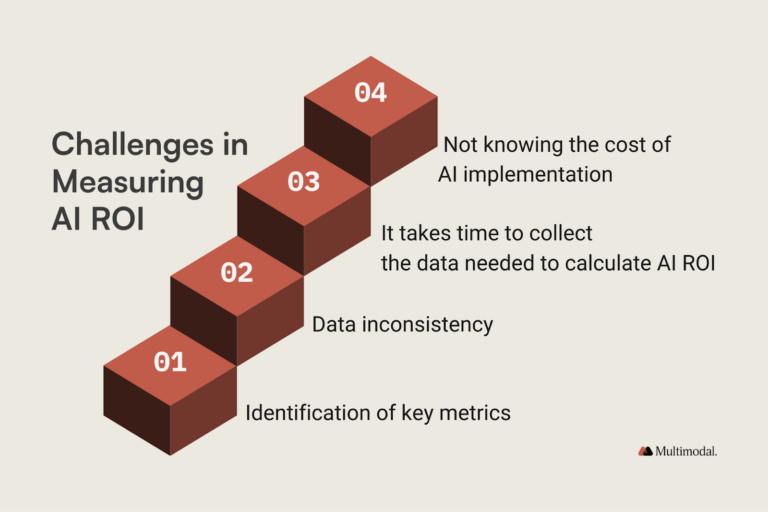
Return on investment in enterprise AI is genuinely difficult to measure, and organizations that pretend otherwise tend to produce metrics...
Security is sometimes positioned as a cost of AI adoption — the friction that slows deployment, the budget line that...
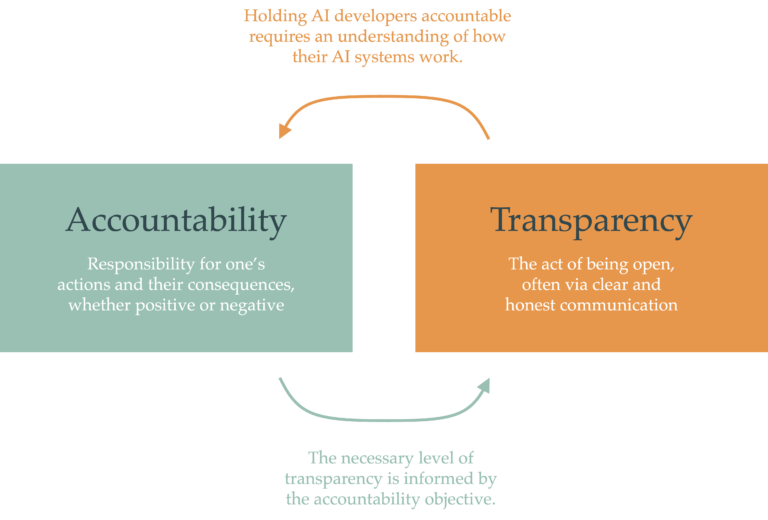
Transparency and accountability are the foundations upon which trustworthy AI is built. Without transparency, organizations cannot understand what their AI...

The tension between innovation and risk in AI is real, but it is frequently misframed. The choice is rarely between...
Employee behavior is one of the most significant variables in enterprise AI security. Technical controls — access restrictions, approved deployment...
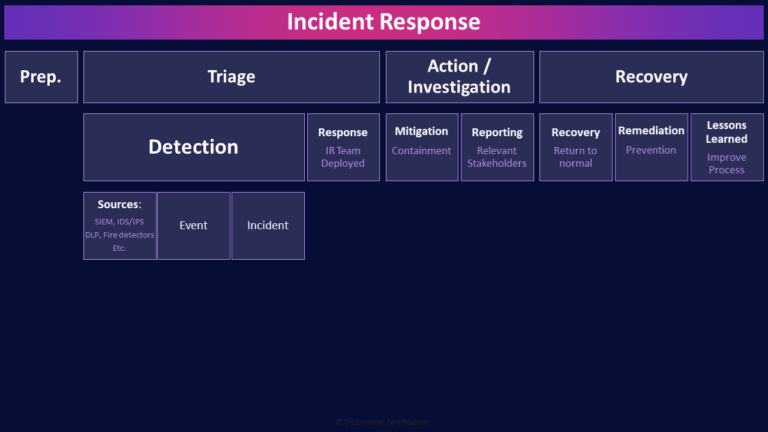
AI systems introduce a category of incidents that traditional incident response frameworks were not designed to handle. A misconfigured firewall...
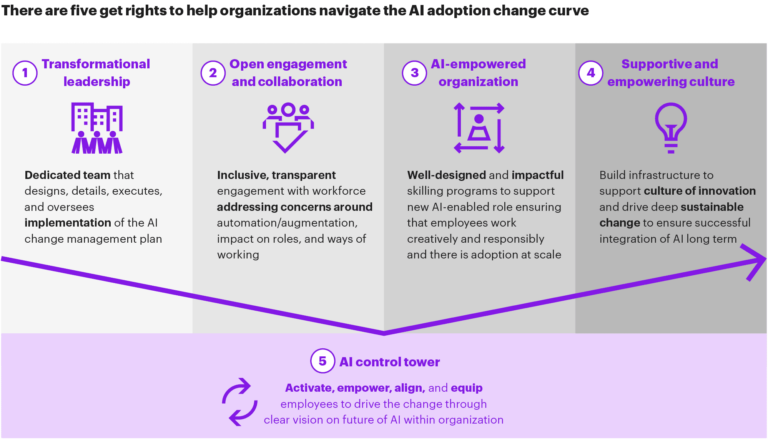
AI transformation is, at its core, a human challenge as much as a technical one. Organizations that treat AI adoption...

An AI policy is the foundational document that defines how an organization will use, govern, and control artificial intelligence systems....
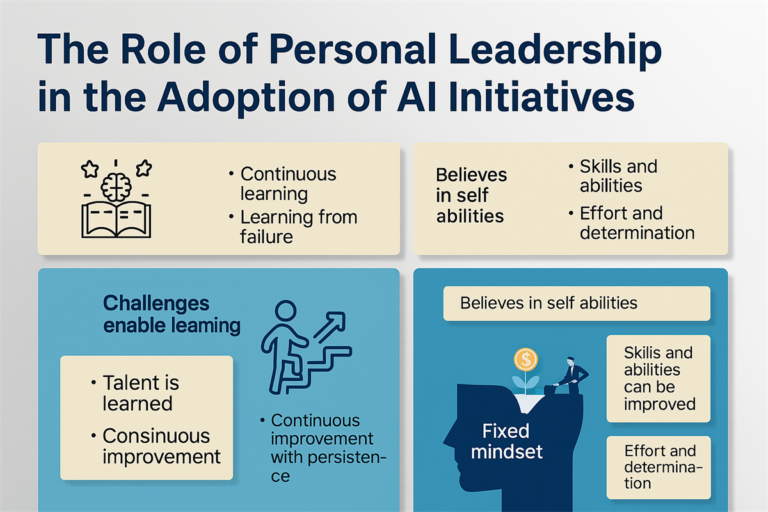
AI adoption does not succeed or fail at the technical level — it succeeds or fails at the leadership level....